Aluminium vs Copper Cable: Which Is Right for Your Wiring Project?
Aluminium vs copper cable is one of the most common questions electrical contractors, builders and dealers face when quoting a project. Both metals carry current well, but they differ in cost, weight, conductor size and the way they must be terminated. Choose the wrong one for the wrong circuit and you either overspend or create a maintenance headache later.
This guide compares the two conductors in plain terms, shows where each is typically used, and helps you decide what to specify or stock.
Aluminium vs Copper Cable: The Core Difference
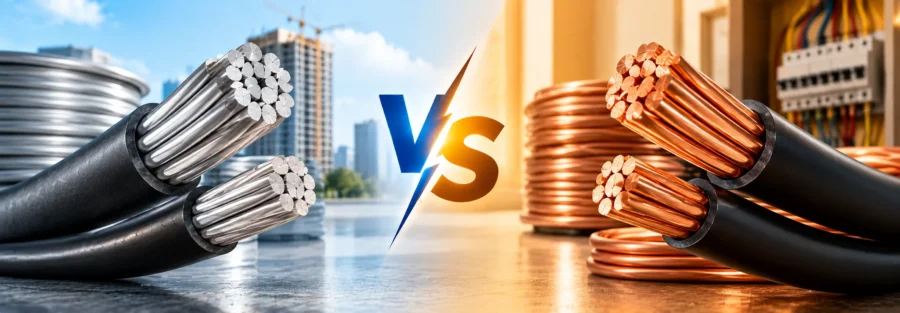
Copper is the better conductor. Electrical-grade aluminium conducts roughly 61% as well as copper, which means an aluminium conductor needs a larger cross-section, commonly around one and a half times, to carry the same current. The advantage is weight. Aluminium is about one-third as dense as copper, so even the larger conductor is much lighter and usually cheaper per metre.
That single trade-off, conductivity against weight and cost, drives almost every decision in the aluminium vs copper cable debate.
Side-by-Side Comparison
Factor
Copper Cable
Aluminium Cable
Conductivity
Higher
Lower (about 61% of copper)
Conductor size for same current
Smaller
Larger
Weight
Heavier
Much lighter
Material cost
Higher
Lower
Flexibility
Very Good
Stiffer, less tolerant of repeated bending
Termination
Straightforward
Needs suitable connectors and care
Typical use
Final circuits inside buildings
Mains, sub-mains, feeders, larger loads
Advantages of Copper Cable
Better conductivity, so thinner conductors carry the same load
Handles bending, looping and tight conduit runs more easily
Simpler, more forgiving terminations at switches, sockets and panels
Preferred by most electricians for internal house wiring circuits
Advantages of Aluminium Cable
Lower material cost, which adds up quickly on long runs and large projects
Light weight, making handling, transport and installation easier
Well suited to service connections, sub-mains and feeder lines
Price stability, since aluminium is generally less volatile than copper
Where Each Cable Is Typically Used
Copper conductors are the usual choice for lighting, socket and appliance circuits inside homes, offices and shops, where flexibility and easy termination matter. Aluminium is widely used where the run is long and the load is larger, such as service lines from the supply point, sub-mains between distribution boards, and feeders in housing and commercial projects.
Aluminium forms a thin oxide layer and expands and contracts more than copper under load, so terminations deserve extra attention:
Use connectors, lugs and terminals rated for aluminium conductors
Use bimetallic or suitably rated connectors when joining aluminium to copper, never a direct twist
Clean the conductor and tighten terminals to the recommended torque
Size up the conductor to match the current rating, rather than copying a copper size
Follow the applicable Indian Standards and local electrical rules, and rely on a licensed electrician
Cost: Look Beyond the Price per Metre
The headline price is only part of the aluminium vs copper cable comparison. Aluminium is cheaper per metre, but the larger conductor needs more insulation and sometimes larger conduit or trunking. Copper costs more upfront, yet smaller conductors and simpler terminations can reduce labour time on short, final-circuit runs. On long feeders and sub-mains, the weight and material savings of aluminium usually outweigh these extras, which is why it dominates distribution work.
Common Mistakes When Choosing Between Aluminium and Copper
Replacing a copper size with the same size of aluminium, which can overload the conductor
Using ordinary copper terminals on aluminium conductors
Choosing purely on price without checking run length, load and bending needs
Buying unmarked cable with no manufacturer details or compliance information
Skipping the manufacturer's datasheet when confirming current ratings
How to Decide: A Simple Checklist
When you are weighing aluminium vs copper cable for a job, work through these questions:
Is this a final circuit inside the building, or a mains, sub-main or feeder run?
How long is the run, and how much does conductor weight and cost matter?
Will the cable be bent often or pulled through tight conduit?
Are suitable aluminium-rated connectors available at every termination?
Do the project specification or local rules require a particular conductor?
For dealers and contractors buying in volume, the same questions help you plan stock. Many suppliers carry both, using copper for internal wiring lines and aluminium for distribution lines. If you are building a dealer business, see how to become a Rajat Cables distributor.
Buy Wire and Cable Direct from the Manufacturer
Janta Cables has manufactured wires and cables under the Rajat brand from its Ratlam, Madhya Pradesh facility since 1981, with a 10-year guarantee on its range. Share your load, run length and quantity with our team and we will help you choose between copper and aluminium and quote accordingly.
Frequently Asked Questions
Is aluminium cable safe for house wiring?
−
Aluminium conductors are widely used in power distribution when correctly sized and terminated. For final circuits inside homes, many electricians prefer copper. Applicable standards, local rules and your licensed electrician's advice should guide the decision.
Can I connect aluminium cable directly to copper?
+
Not with a plain twisted joint. Use connectors designed for joining the two metals, since a poor aluminium-to-copper joint can corrode or overheat over time.
Which is cheaper, aluminium or copper cable?
+
Aluminium is generally cheaper per metre for the same current rating, even after allowing for the larger conductor size. The final cost also depends on connectors, labour and the project specification.
There is no single winner in the aluminium vs copper cable question. Copper wins on conductivity and ease of use, aluminium wins on weight and cost, and the right choice depends on the circuit. Contact the Rajat Cables team for specifications and bulk pricing.
Want to know more Aluminium vs Copper Cable?Just contact us...