PVC vs XLPE Submersible Cable: Which One Should You Choose for Your Borewell Pump?
If you are installing or replacing a submersible pump, one decision matters more than most buyers realize: choosing between a PVC insulated submersible cable and an XLPE insulated submersible cable. Both cables are built to carry power to a pump sitting deep inside a borewell, surrounded by water, sand and constant vibration — but they are not interchangeable. Picking the wrong one can mean a cable that degrades within a couple of seasons, or paying more than you need to for insulation your well doesn’t require.
In this guide, we break down what separates a PVC submersible cable from an XLPE submersible cable, where each performs best, and how to make the right call for your specific borewell depth, pump horsepower and water conditions.
What Is a Submersible Cable and Why Insulation Matters
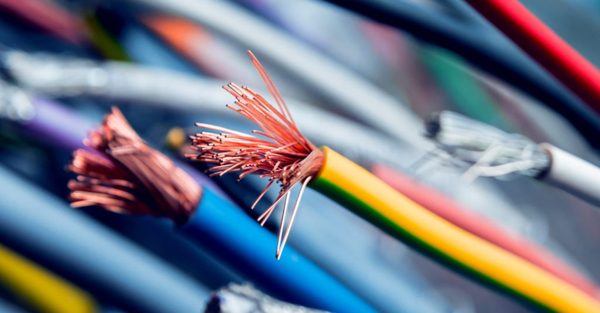
A submersible cable is a specially insulated electrical cable designed to sit underwater for years at a time, powering the motor of a borewell or bore pump. Unlike a standard house wire, a submersible cable has to resist continuous water ingress, handle voltage drop over long vertical runs, and tolerate the heat generated by a motor working underwater with limited airflow around it.
The insulation material wrapped around the copper conductor is what makes this possible. Two materials dominate the Indian market: PVC (Polyvinyl Chloride) and XLPE (Cross-Linked Polyethylene). The choice between them affects how long your cable lasts, how much heat it can safely handle, and ultimately how much downtime and replacement cost you avoid.
What Is PVC Insulated Submersible Cable
PVC insulated submersible cable uses polyvinyl chloride as its outer and inner insulation layer. It has been the standard choice for residential and light agricultural borewell pumps in India for decades, mainly because it strikes a good balance between cost and performance for shallow-to-medium depth applications.
Advantages of PVC Submersible Cable
Lower upfront cost compared to XLPE, making it the practical choice for budget-conscious installations
Flexible and easy to handle during installation, especially in narrower borewell casings
Reliable performance for pumps up to moderate horsepower in cooler groundwater conditions
Widely available and easy to source replacement lengths locally
Where PVC Submersible Cable Works Best
PVC submersible cable is well suited to domestic borewells, small farm irrigation pumps, and installations where the pump horsepower is on the lower end (typically up to 5–7.5 HP, depending on depth and voltage drop). It performs reliably where groundwater temperature is moderate and the cable run isn’t pushed to its thermal limit for extended hours every day.
What Is XLPE Insulated Submersible Cable
XLPE insulated submersible cable uses cross-linked polyethylene, a material created by chemically bonding polyethylene molecules into a tighter, heat-resistant structure. This cross-linking process is what gives XLPE its biggest advantage over PVC: a significantly higher continuous operating temperature rating, along with better resistance to moisture absorption over time.
Advantages of XLPE Submersible Cable
Higher temperature tolerance, which matters when a high-HP motor runs for long hours in a deep or narrow borewell where heat has nowhere to escape
Better long-term resistance to water absorption, reducing the risk of insulation breakdown after years underwater
Lower dielectric losses, which can translate to better electrical efficiency over long cable runs
Longer expected service life in demanding conditions, reducing the frequency of costly pump-pulling and cable-replacement jobs
Where XLPE Submersible Cable Works Best
XLPE is the stronger choice for deep borewells, high-horsepower agricultural and industrial pumps, and installations in regions with warmer groundwater or heavier daily pump usage — for example, irrigation-heavy districts running pumps for many hours during the sowing season, or industrial dewatering applications.
PVC vs XLPE Submersible Cable: Side-by-Side Comparison
Factor
PVC Submersible Cable
XLPE Submersible Cable
Cost
Lower
Higher
Max operating temperature
Moderate
High
Best suited pump HP
Low to medium (up to ~5–7.5 HP)
Medium to high
Ideal borewell depth
Shallow to medium
Medium to deep
Water / moisture resistance
Good
Better
Typical use case
Domestic, small farm
Bulk irrigation, industrial
Service life in demanding conditions
Shorter
Longer
Which Cable Should You Choose?
The right answer depends on three questions: how deep is your borewell, what horsepower is your pump, and how many hours a day will it run?
Domestic use, shallow borewell, small pump (up to 3–5 HP): PVC insulated submersible cable is usually sufficient and more cost-effective.
Farm irrigation, medium depth, pump running several hours daily: XLPE is worth the extra cost — the heat resistance pays for itself in fewer cable failures during peak irrigation season.
Deep borewell, high-HP pump, industrial or heavy daily use: XLPE insulated submersible cable is the safer long-term choice, given the higher thermal load the cable has to withstand.
If you’re unsure which category your setup falls into, it’s worth getting a quick recommendation from your cable supplier based on your pump’s HP rating and expected borewell depth, rather than guessing.
Why IS Standards and ISI Marking Matter When Choosing
Whichever insulation type you choose, make sure the cable is manufactured to IS 694 — the Bureau of Indian Standards specification governing PVC insulated cables and flexible cords used in India — and carries a valid ISI mark. This isn’t a formality: it’s the difference between a cable engineered for continuous underwater duty and one that simply looks similar. A genuine IS-694-compliant cable has been tested for insulation resistance, voltage withstand and moisture ingress in ways that unbranded or uncertified cable typically has not.
Buying Submersible Cable from a Trusted Manufacturer
At Janta Cables, we manufacture both PVC Insulated Submersible Cable and XLPE Insulated Submersible Cable under the Rajat brand, backed by a 10-year guarantee and decades of manufacturing experience from our Ratlam, Madhya Pradesh facility. Whether you’re wiring a single domestic borewell or sourcing cable for a large irrigation project, our team can help you match the right cable to your pump’s specifications.
Frequently Asked Questions
Is XLPE always better than PVC for submersible cable?−
Not necessarily "better" in every case — XLPE offers higher heat resistance and a longer service life in demanding conditions, but for a shallow domestic borewell with a small pump, PVC submersible cable is often perfectly adequate and more economical.
Can I use PVC submersible cable for a high-HP pump?+
It's not recommended. High-HP pumps generate more heat, and running that load through PVC insulation rated for lower temperatures increases the risk of premature insulation breakdown.
How do I know if my submersible cable is genuine and IS-694 compliant?+
Check for a valid ISI mark on the cable jacket and ask your supplier for the manufacturer's test certificate. A reputable manufacturer will provide this without hesitation.
What should I consider when choosing between PVC and XLPE cable?+
Choosing between PVC and XLPE submersible cable comes down to matching insulation performance to your pump's real-world demands. Get it right, and you avoid the recurring cost of pulling out a failed cable from underground.